From DIY repairs to wrong storage - these 6 common mistakes quietly destroy vintage Chanel, Louis Vuitton, and Hermès bags. Here's what to avoid.
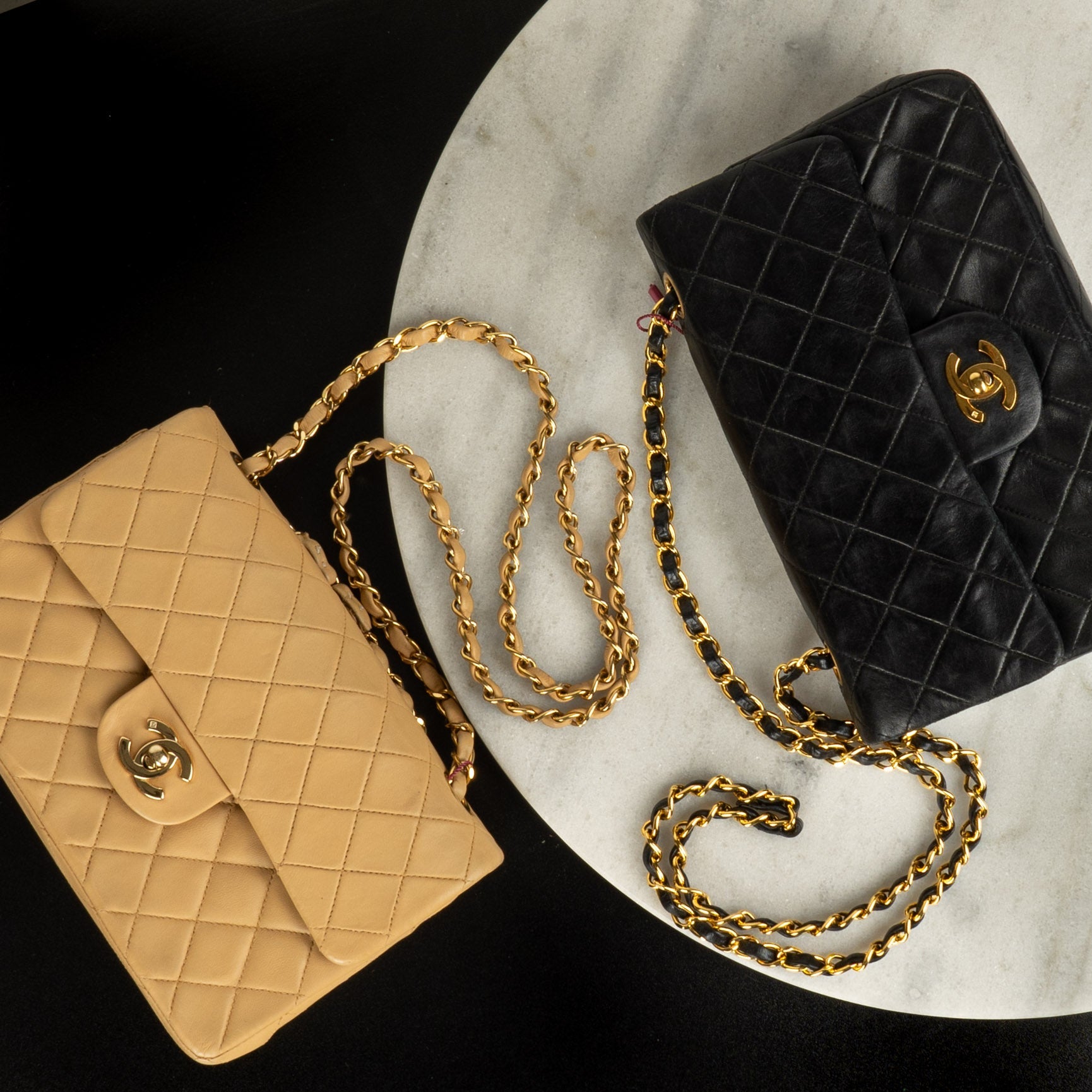
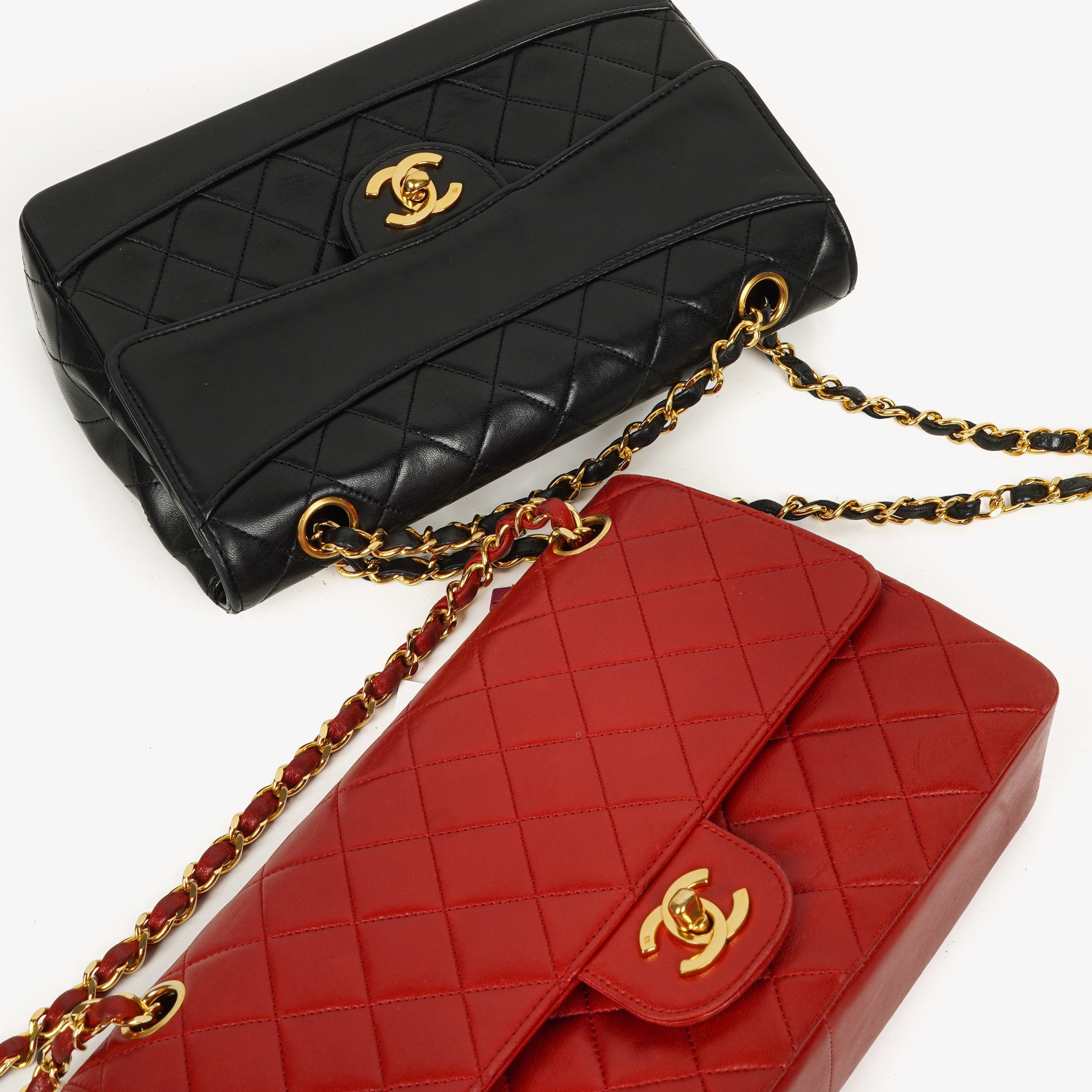
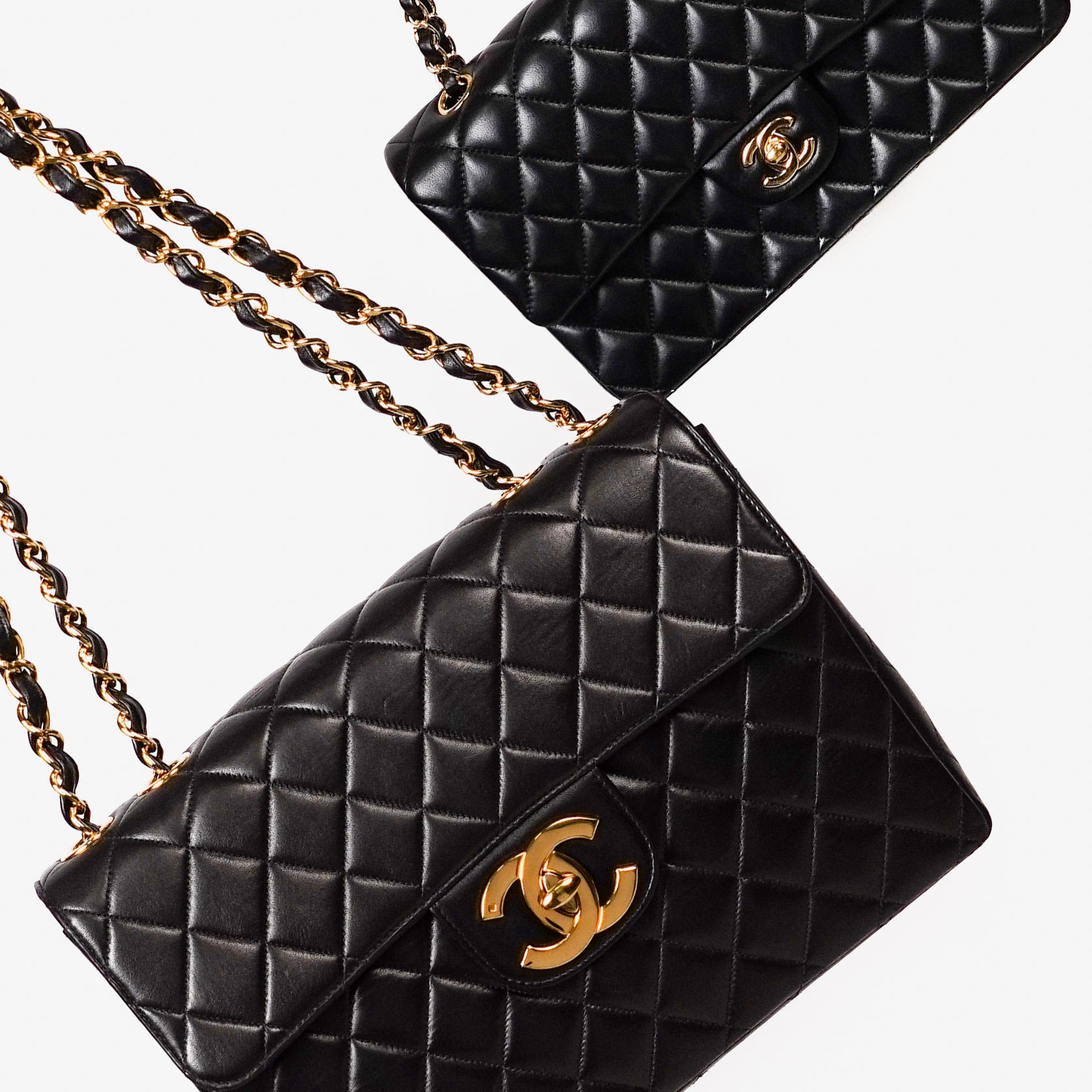
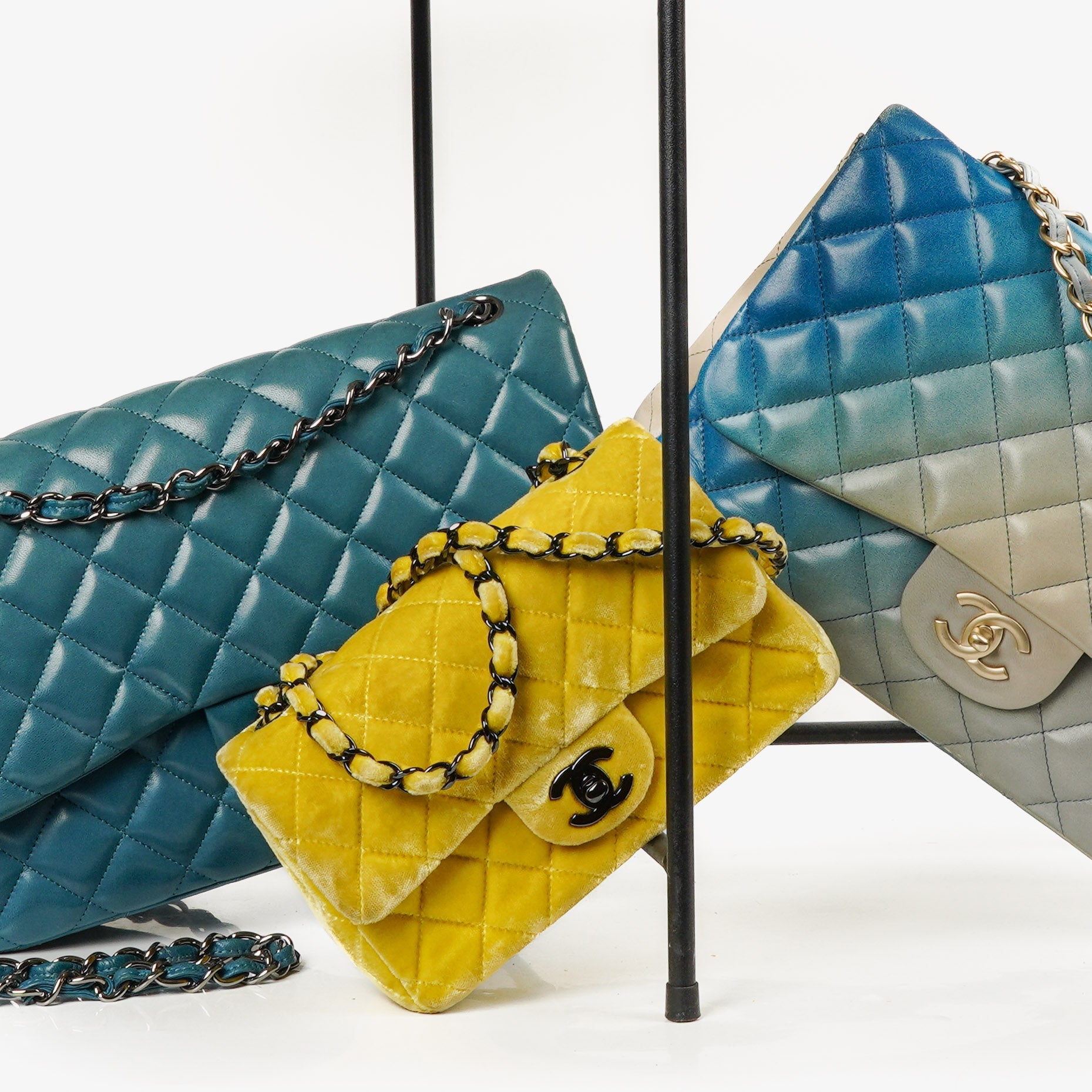
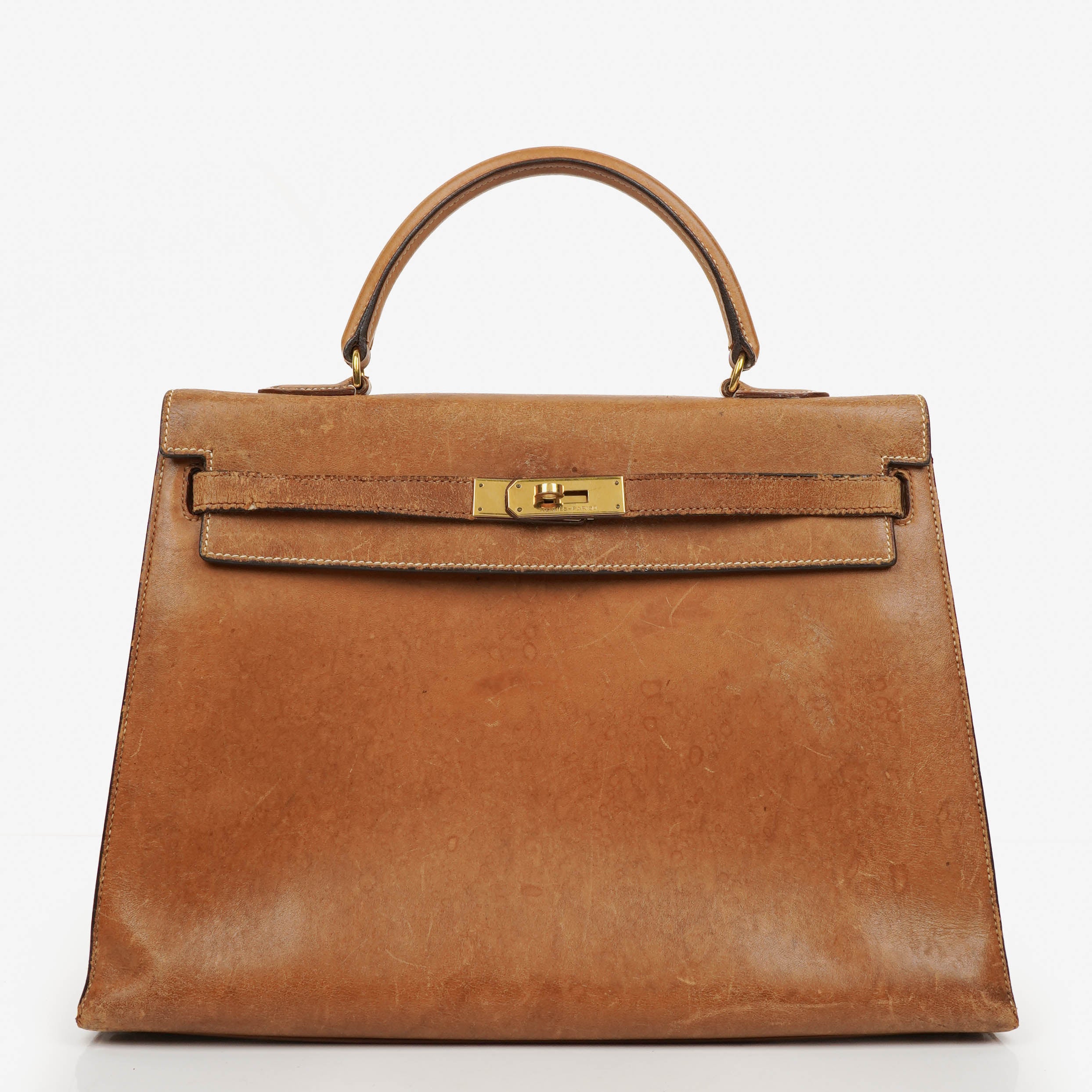
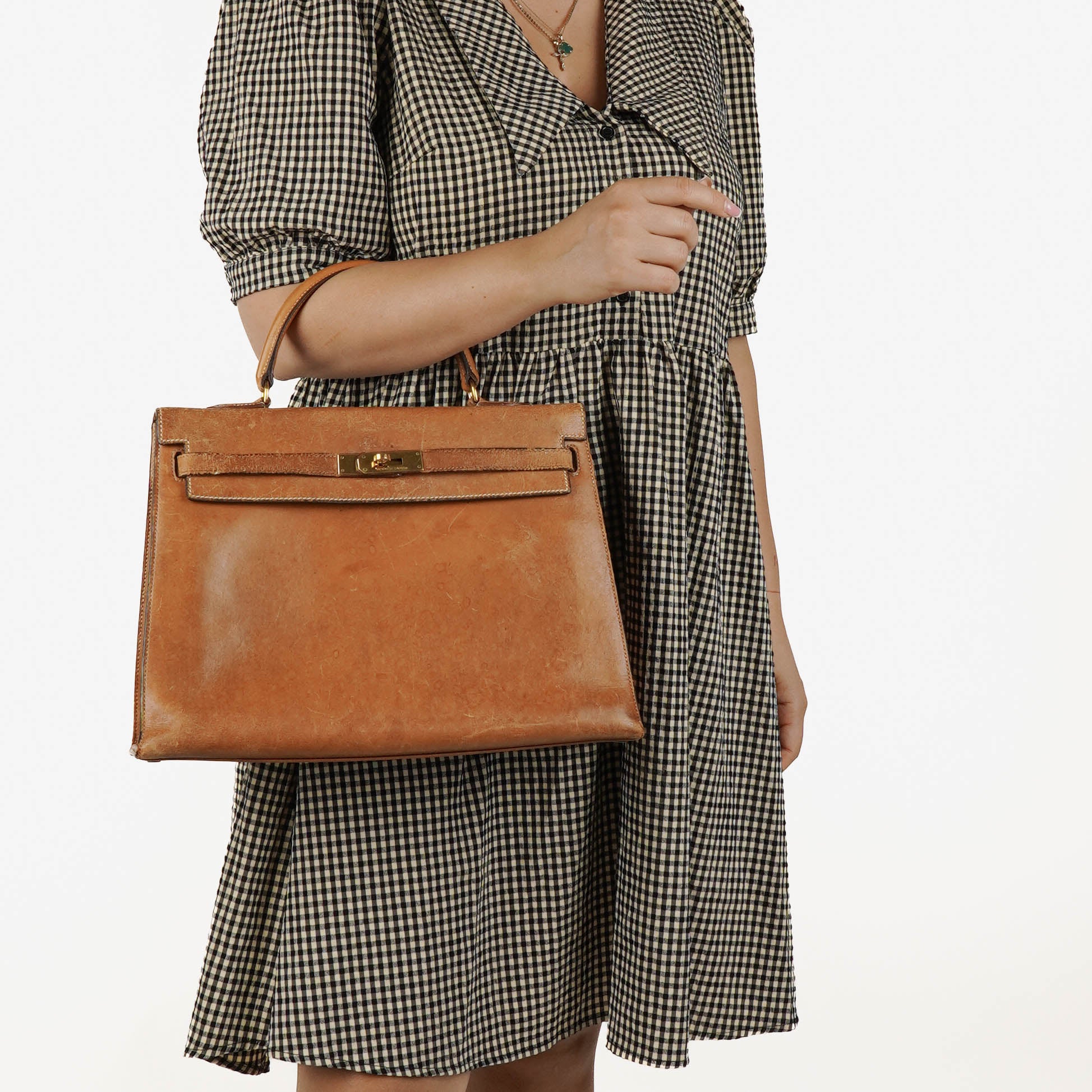
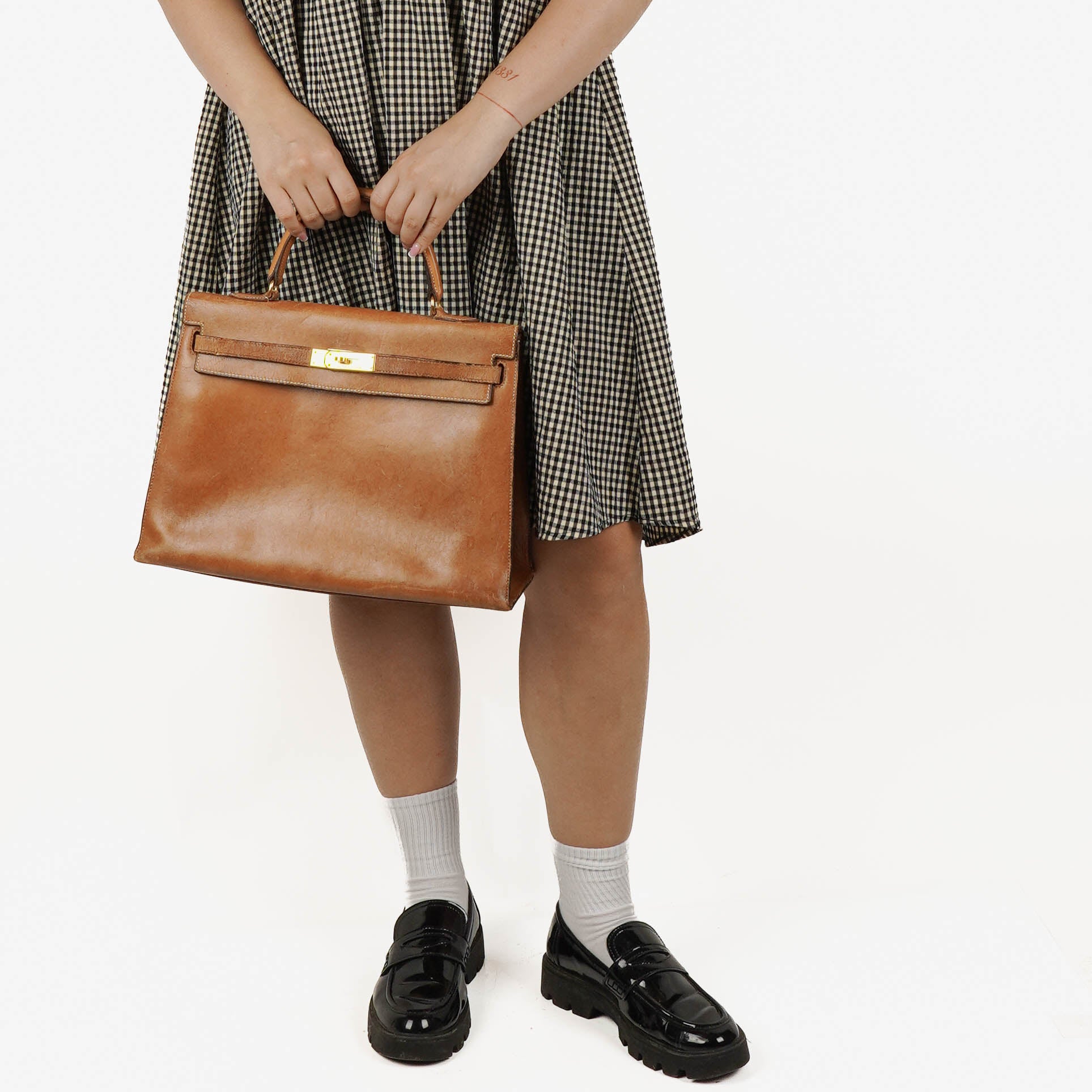
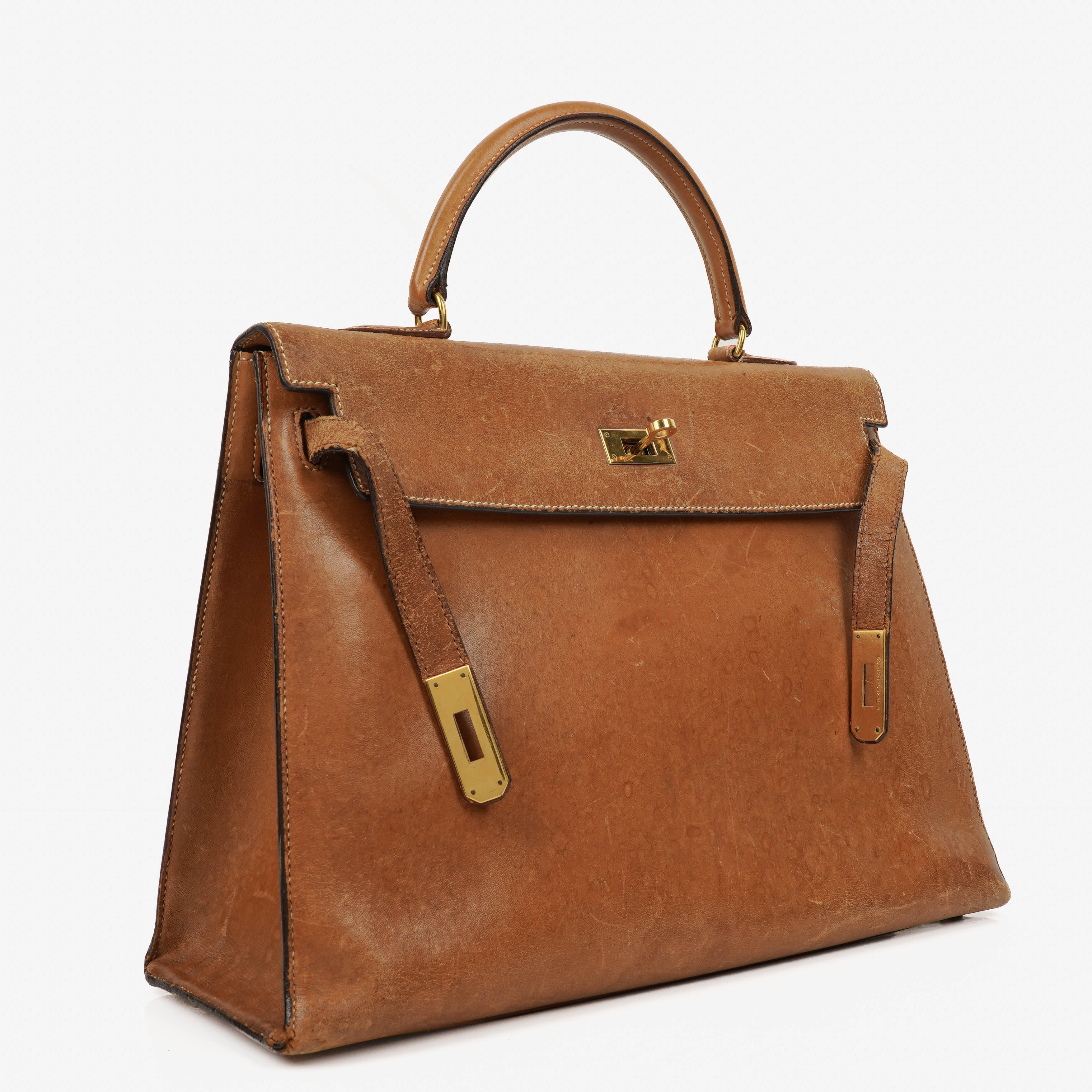
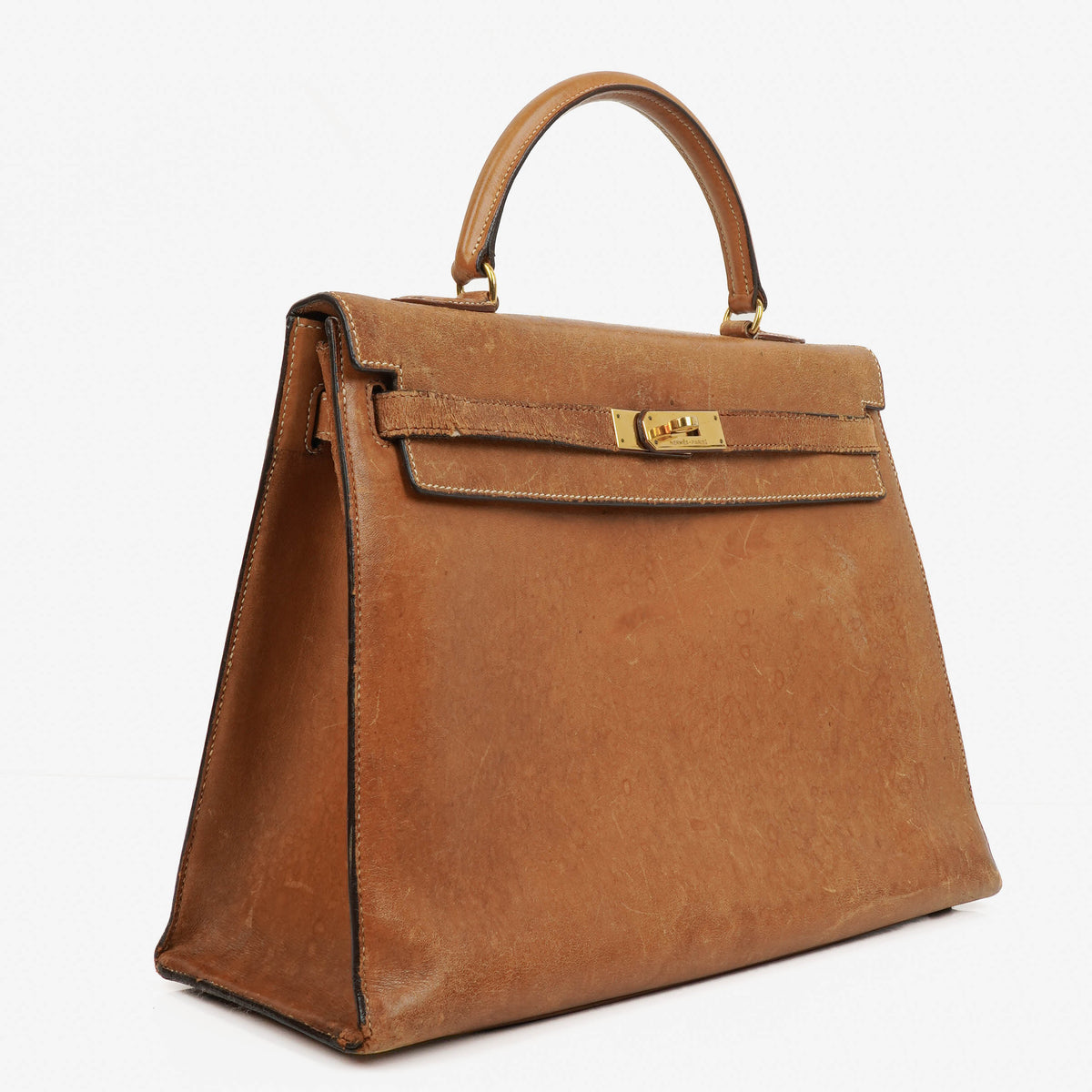
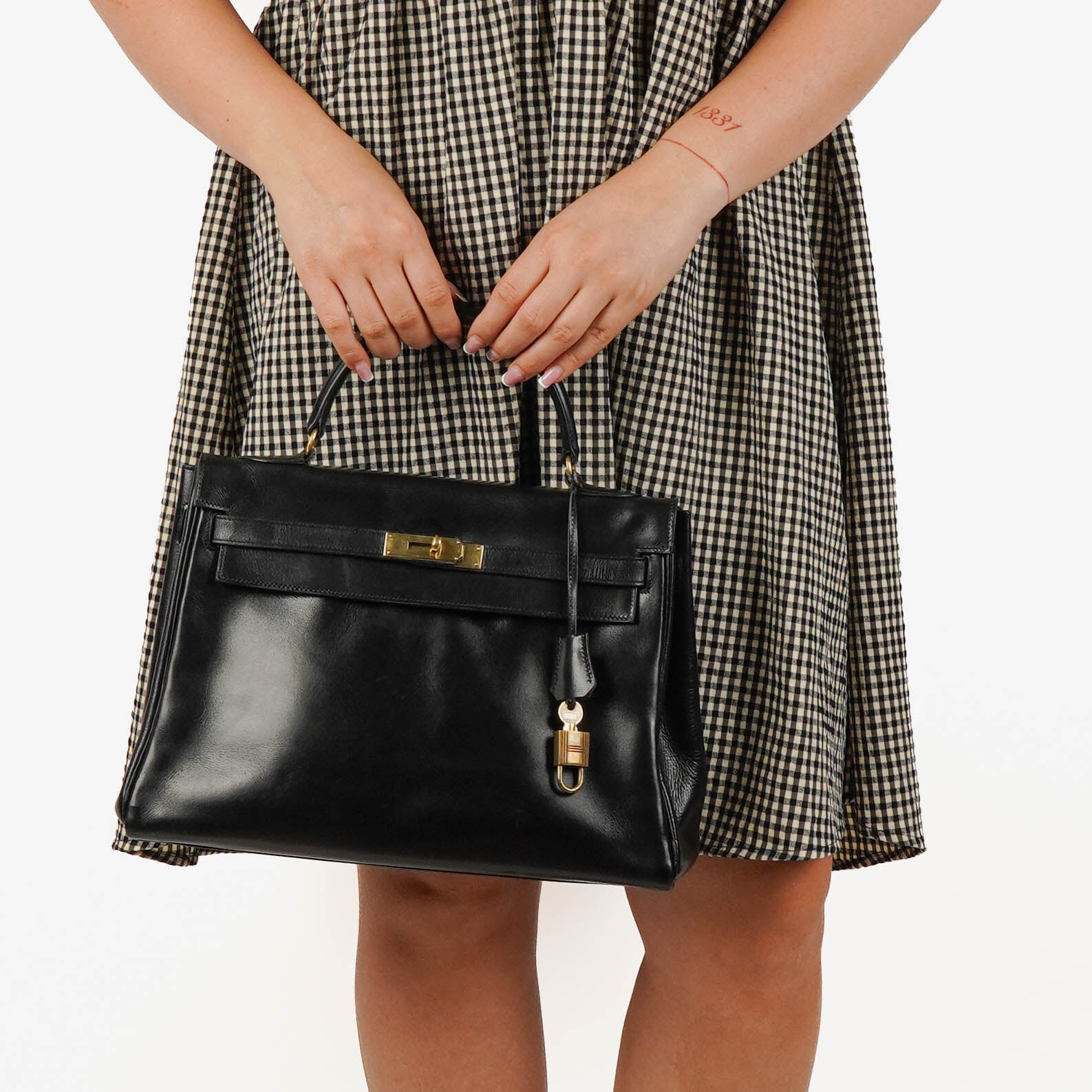
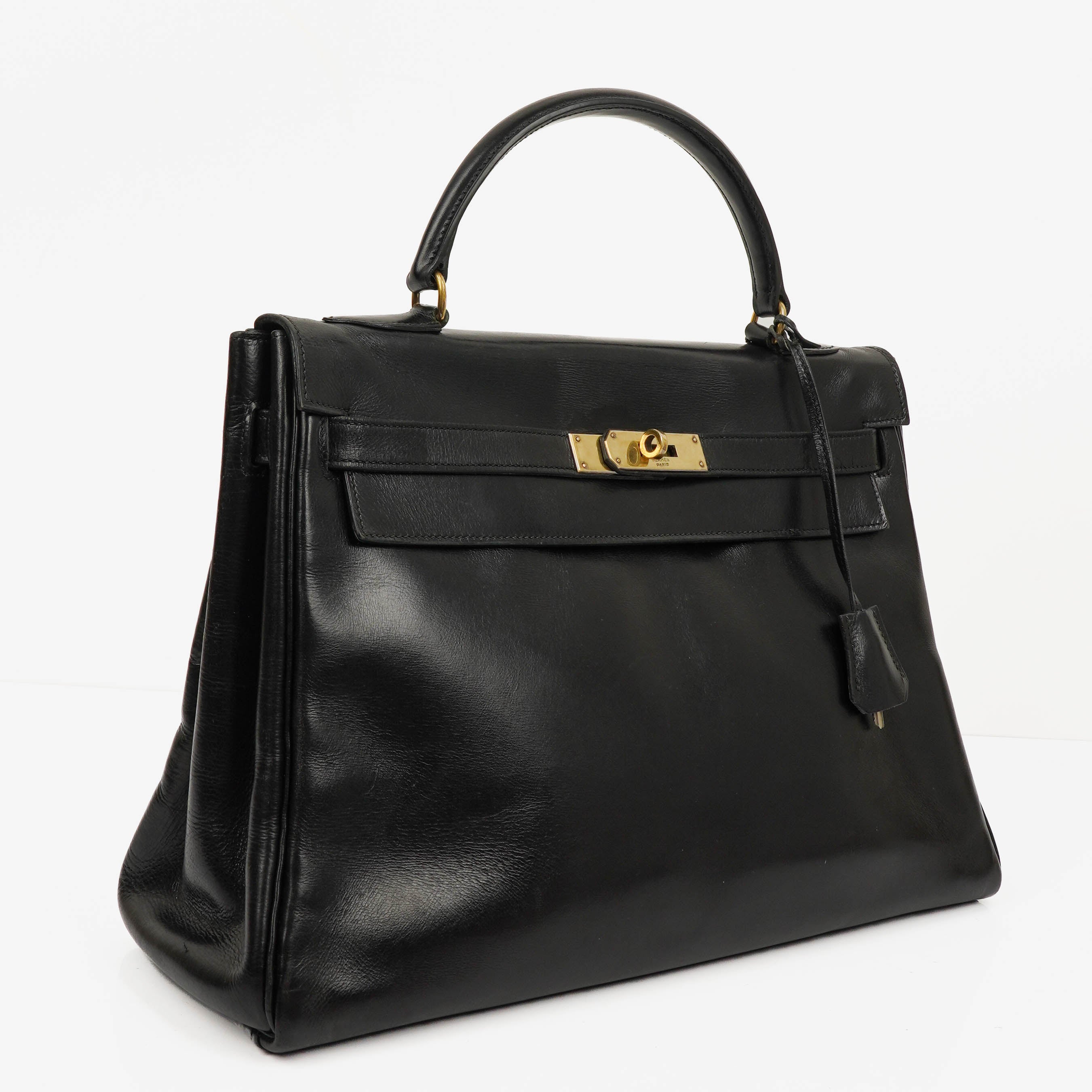
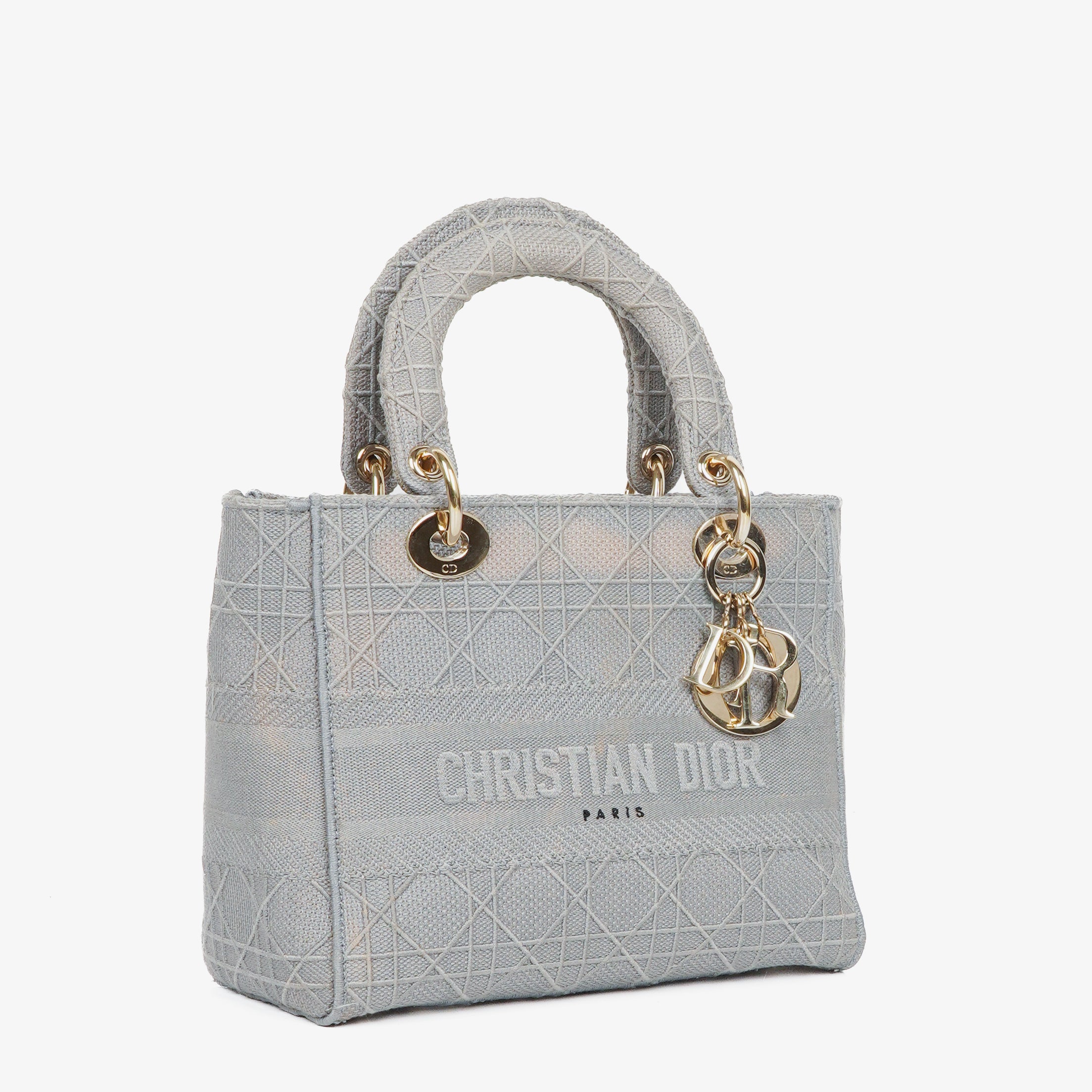
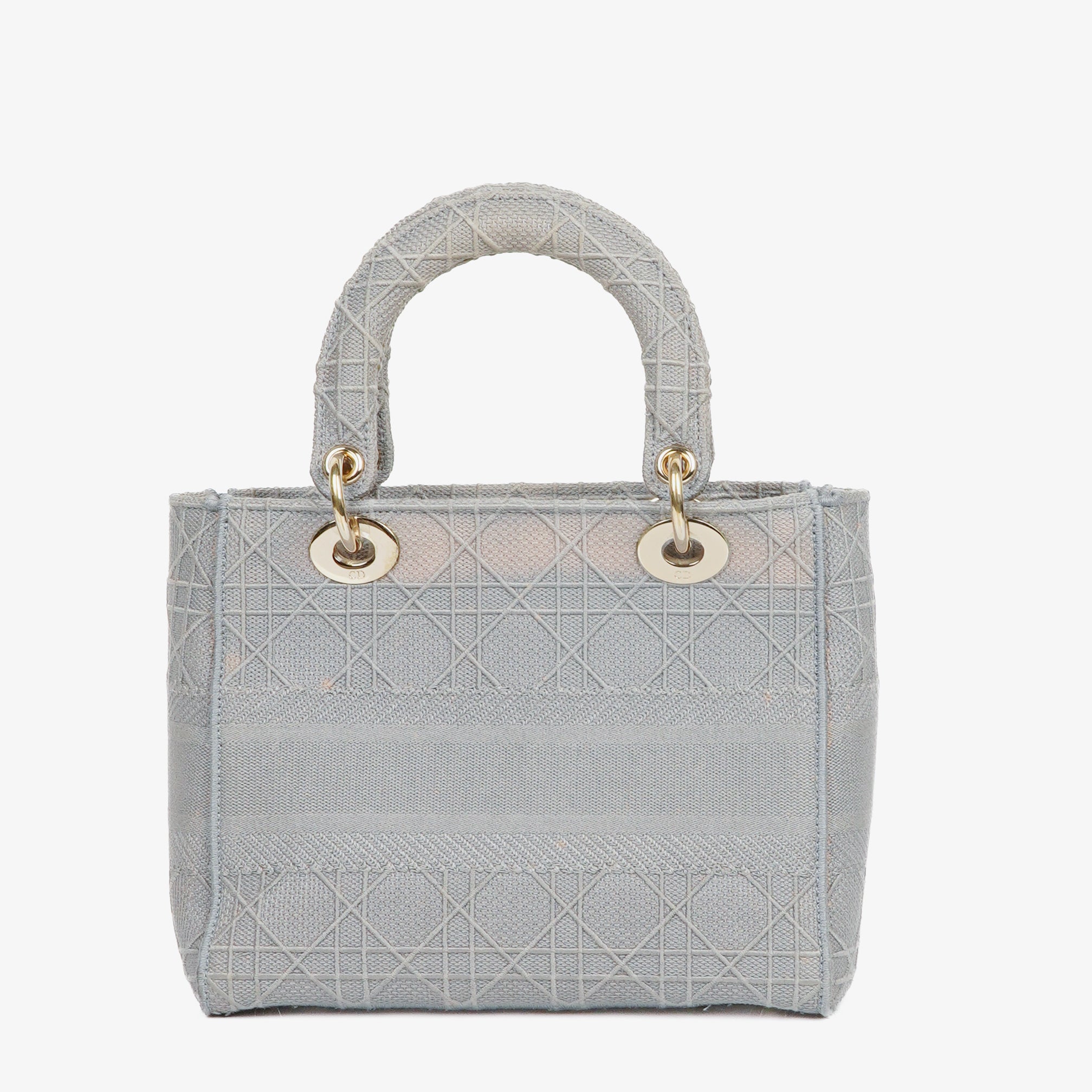
Vintage luxury bags are not just accessories - they're pieces of fashion history. A 1990s Chanel Classic Flap, a honey-patinated Louis Vuitton Speedy, a well-worn Hermès Kelly that's been around the world twice - these bags carry stories, and that's exactly what makes them valuable. But they're also fragile in ways that new bags aren't, and the mistakes that damage them most are almost always made with good intentions.
Here are the six most common ones.
1. Trying DIY Repairs - Glue, Shoe Polish, or Random Dyes
It starts innocently enough. A loose seam, a scuff on the corner, a handle that's lost some color. You find a YouTube tutorial, order a leather repair kit, and figure: how bad could it go?
Pretty bad, as it turns out.
Super glue hardens and becomes brittle on leather - it doesn't flex with the material, so it cracks, and now you have the original damage plus a white, flaky residue that's nearly impossible to remove cleanly.
Shoe polish seems like a logical color fix, but it's formulated for shoe leather, not the delicate hides used in luxury bags. It often applies unevenly, leaves a sticky film, and can permanently alter the leather's tone in patches you can't reverse.
Random dyes are arguably the most dangerous: a dye that isn't matched precisely to the bag's original formula will look off under different lighting, bleed into lining or stitching, or create a layered effect that screams amateur repair to any reseller or authenticator.
When a vintage bag needs repair, the only move is to find a specialist who works specifically with luxury leather. The cost is almost always worth it. The DIY gamble rarely is.
2. Removing the Original Patina - Especially on Vintage Louis Vuitton Vachetta
This is the mistake that breaks the hearts of resellers and collectors alike.
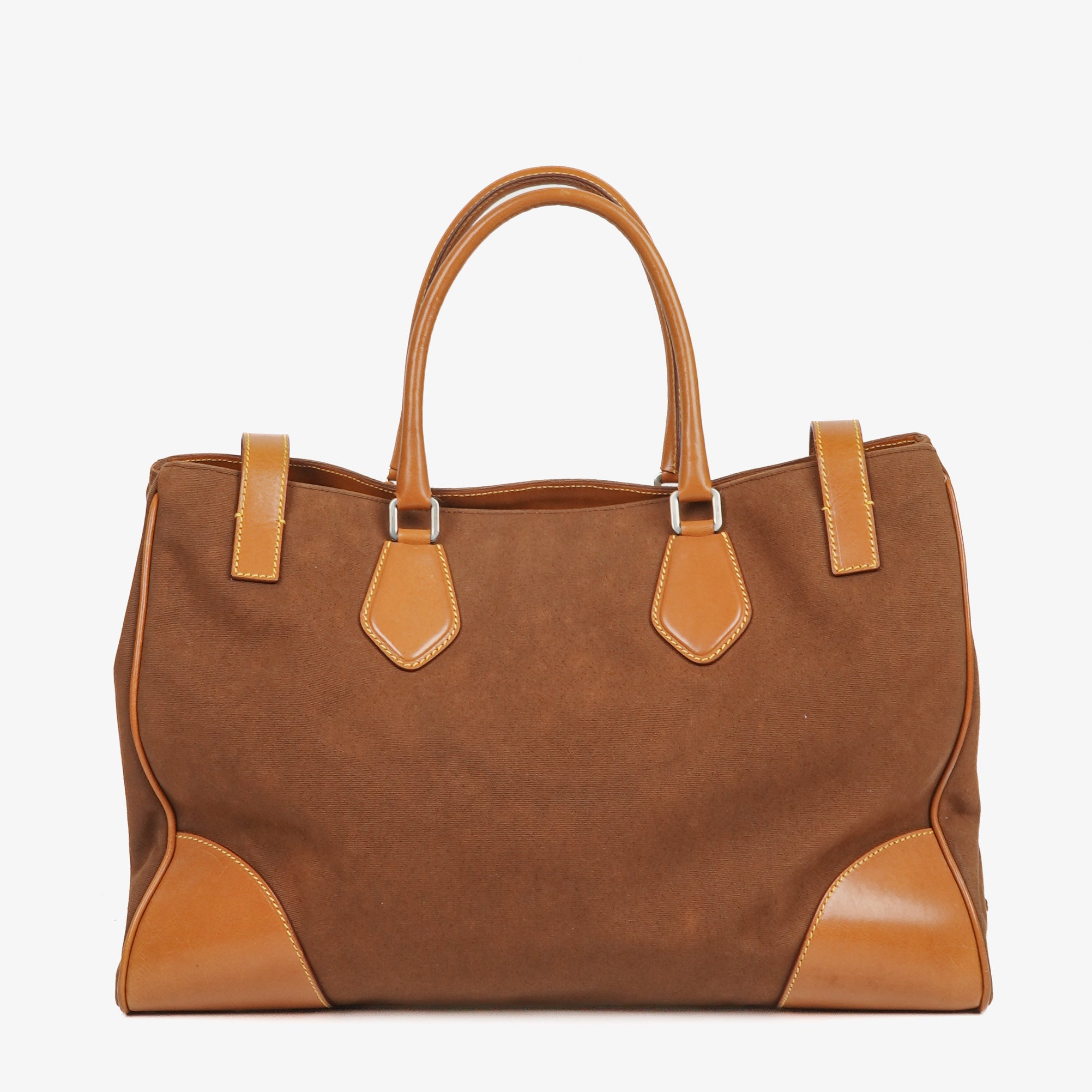
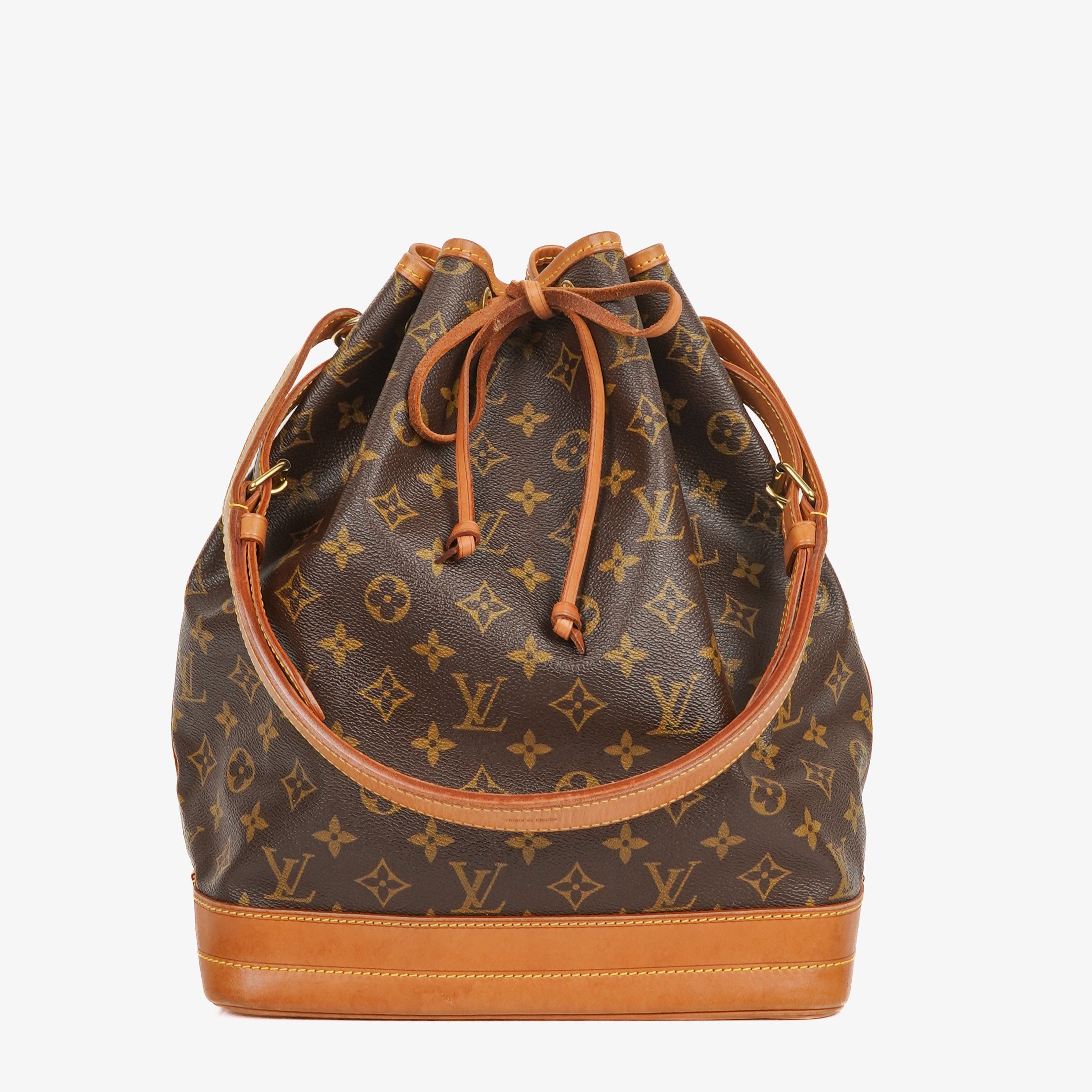
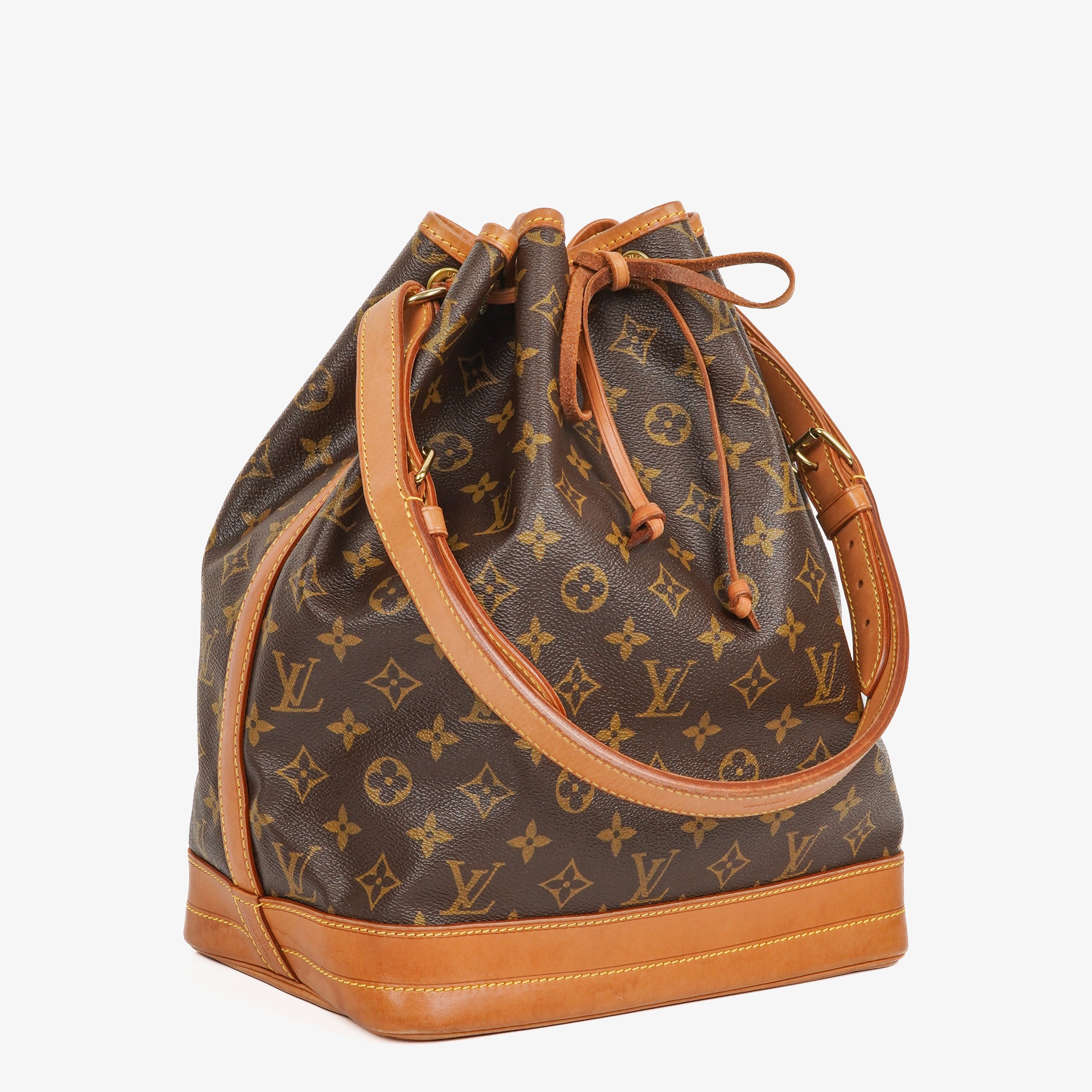
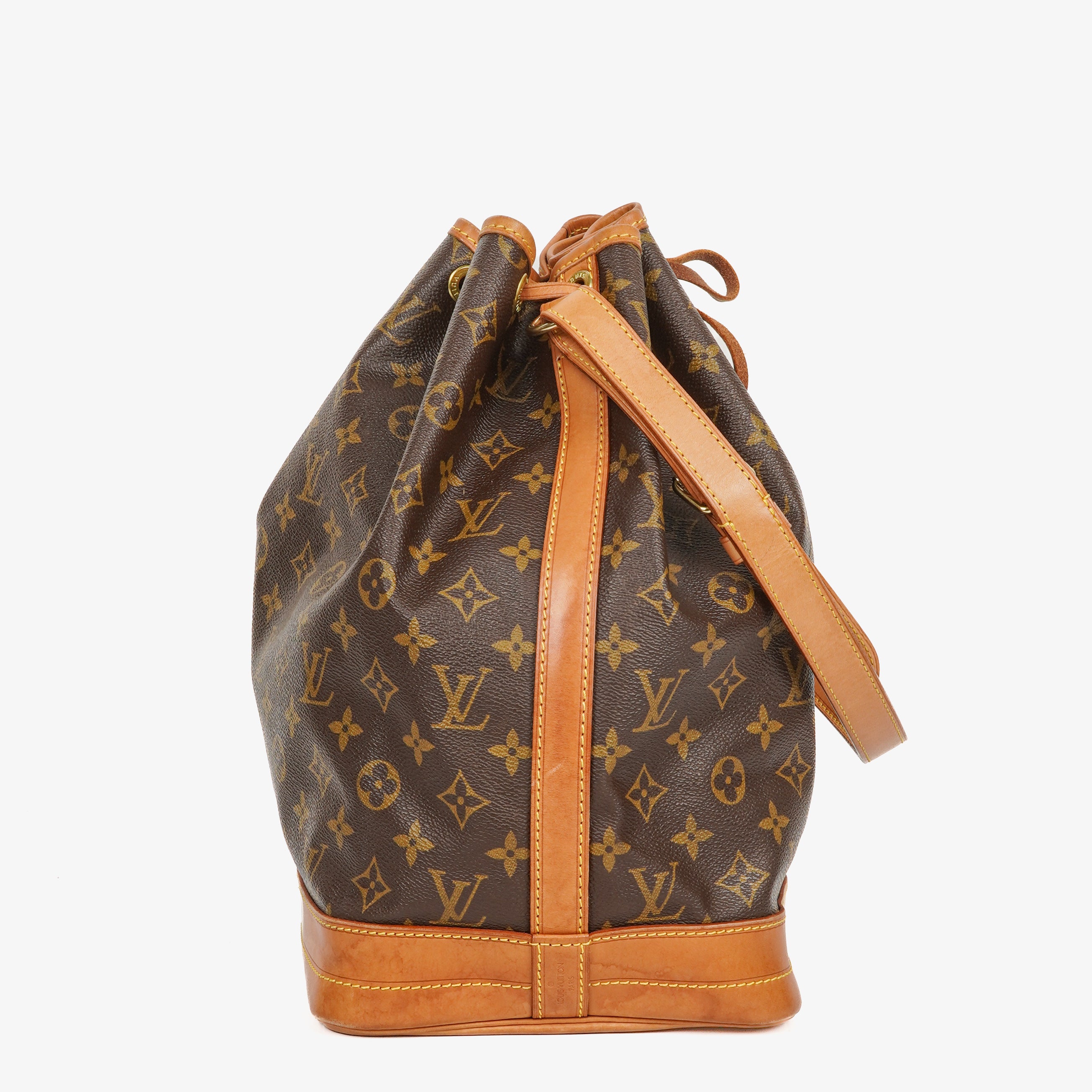
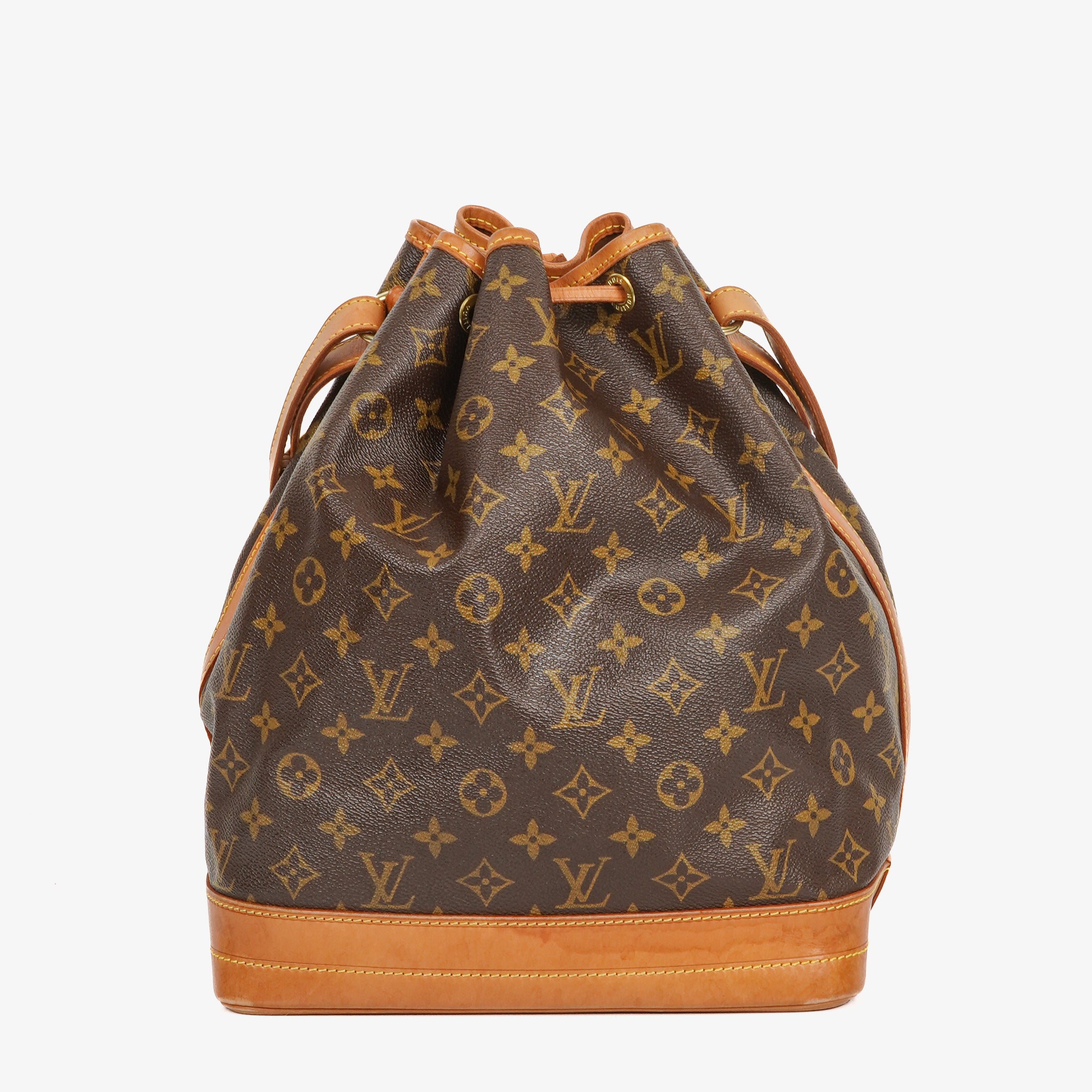
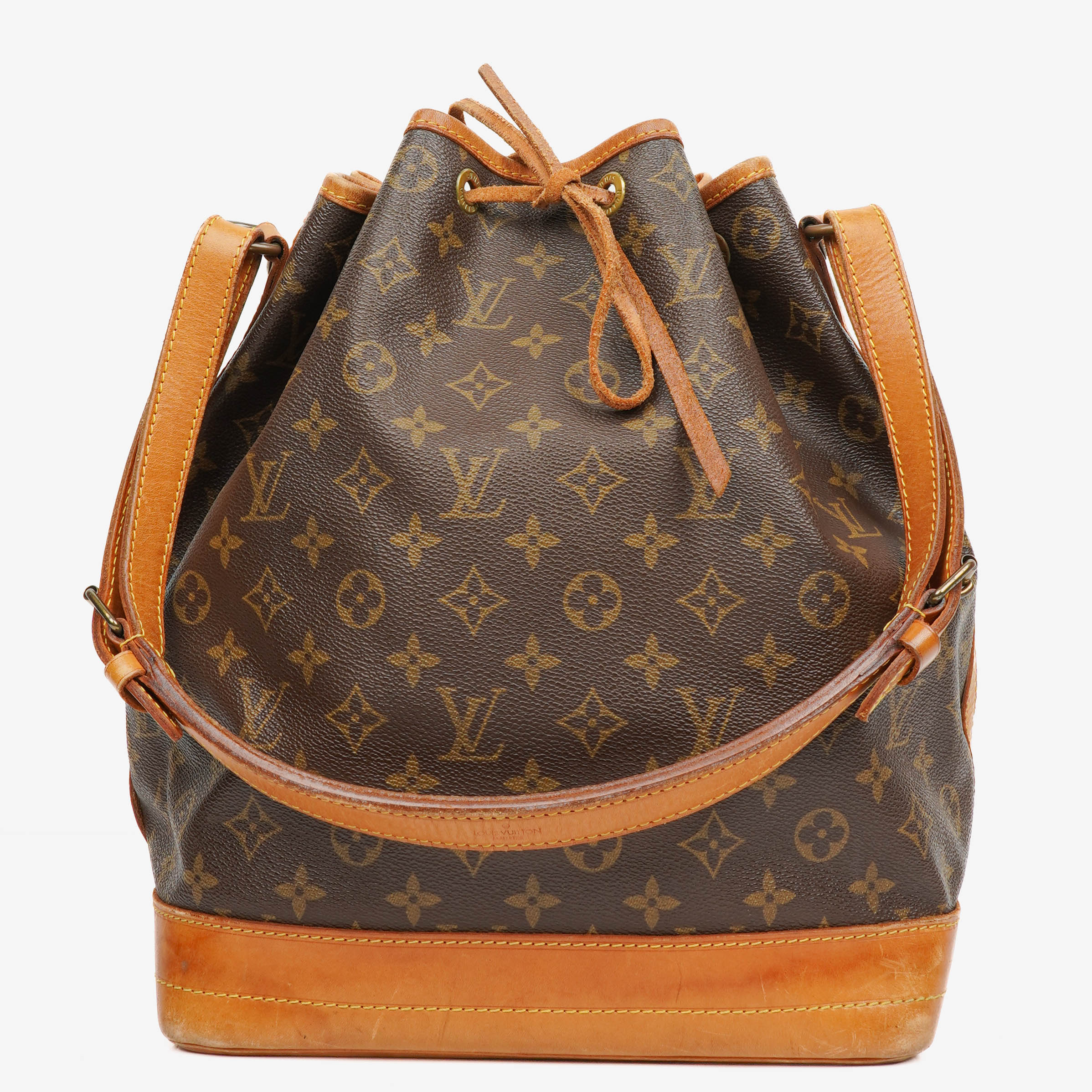
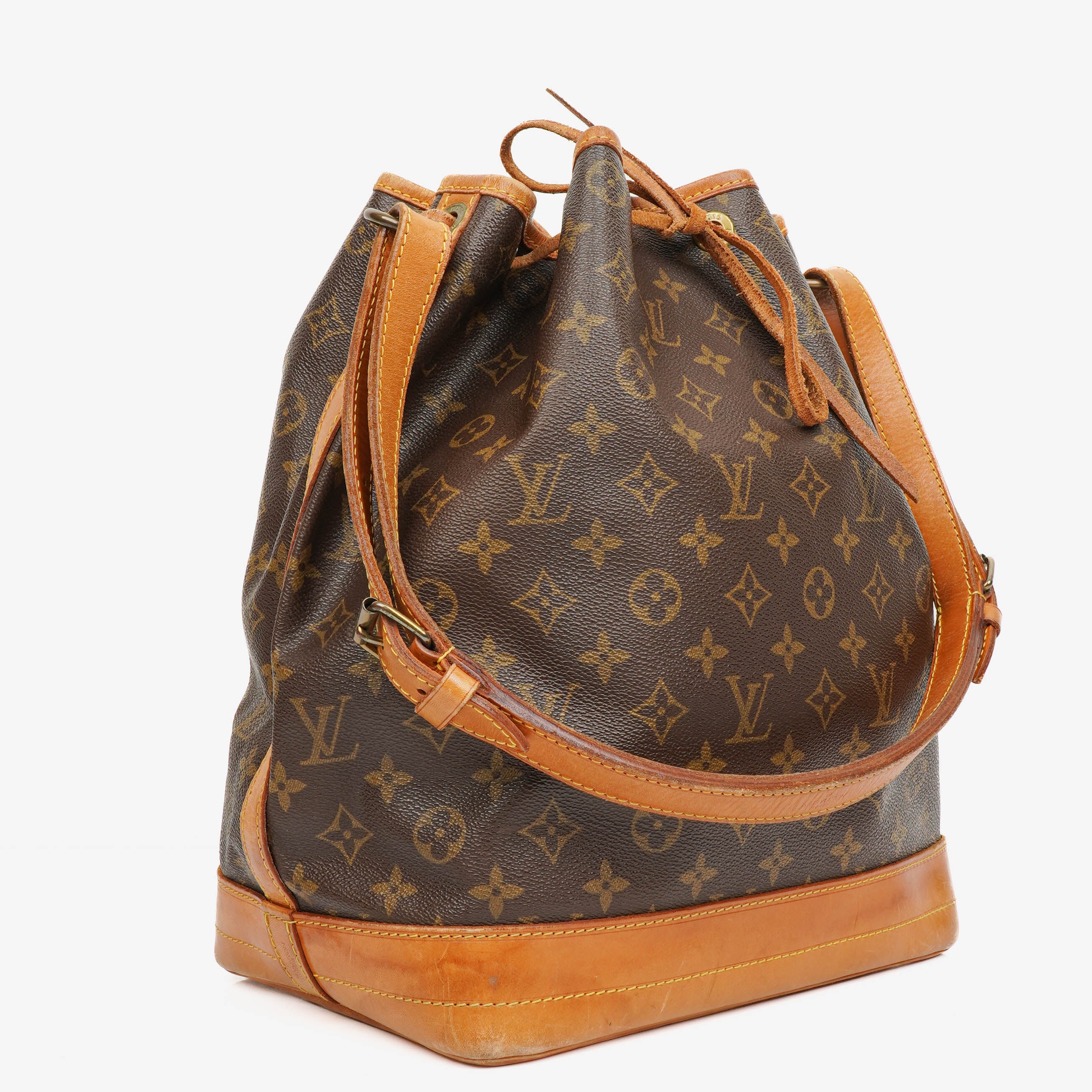
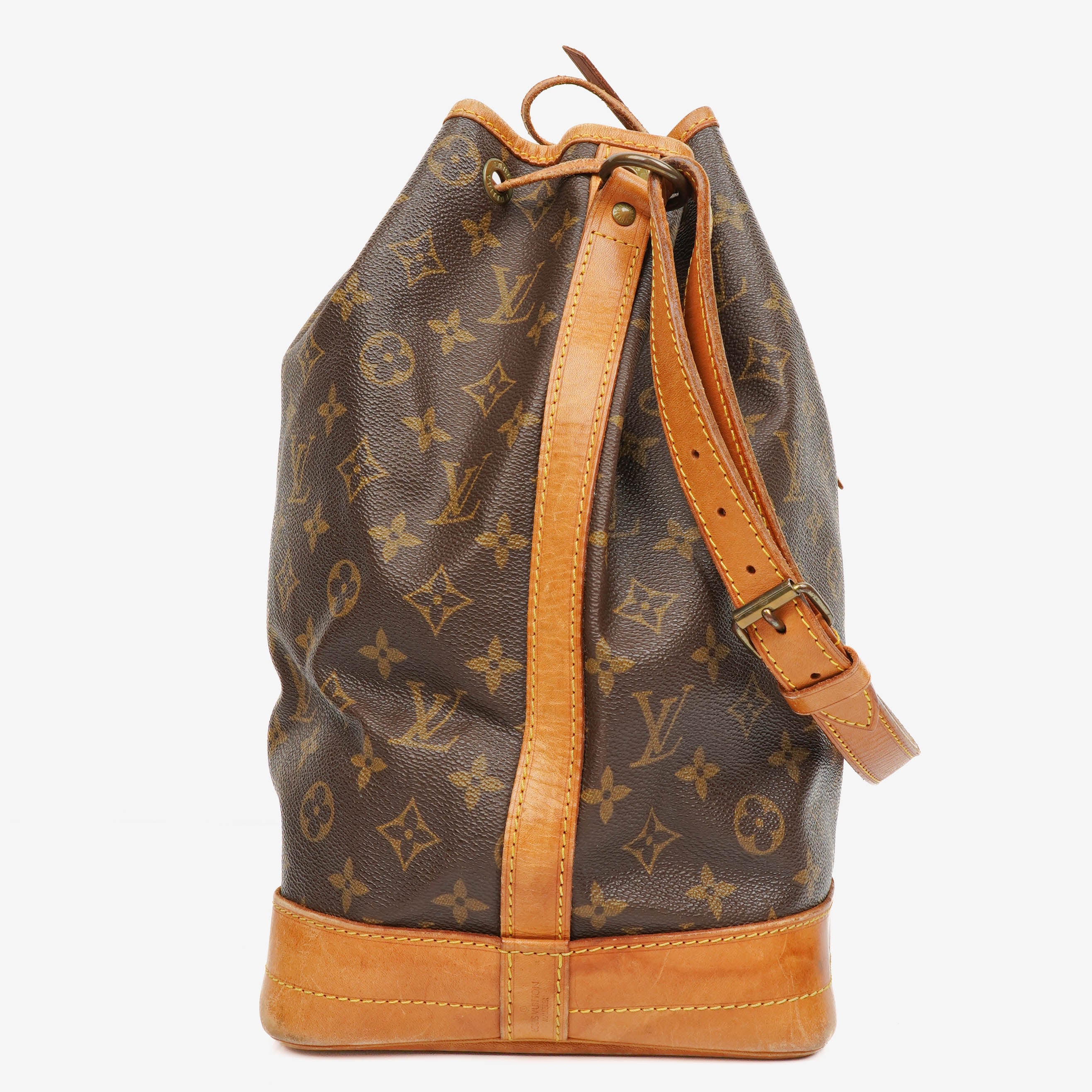
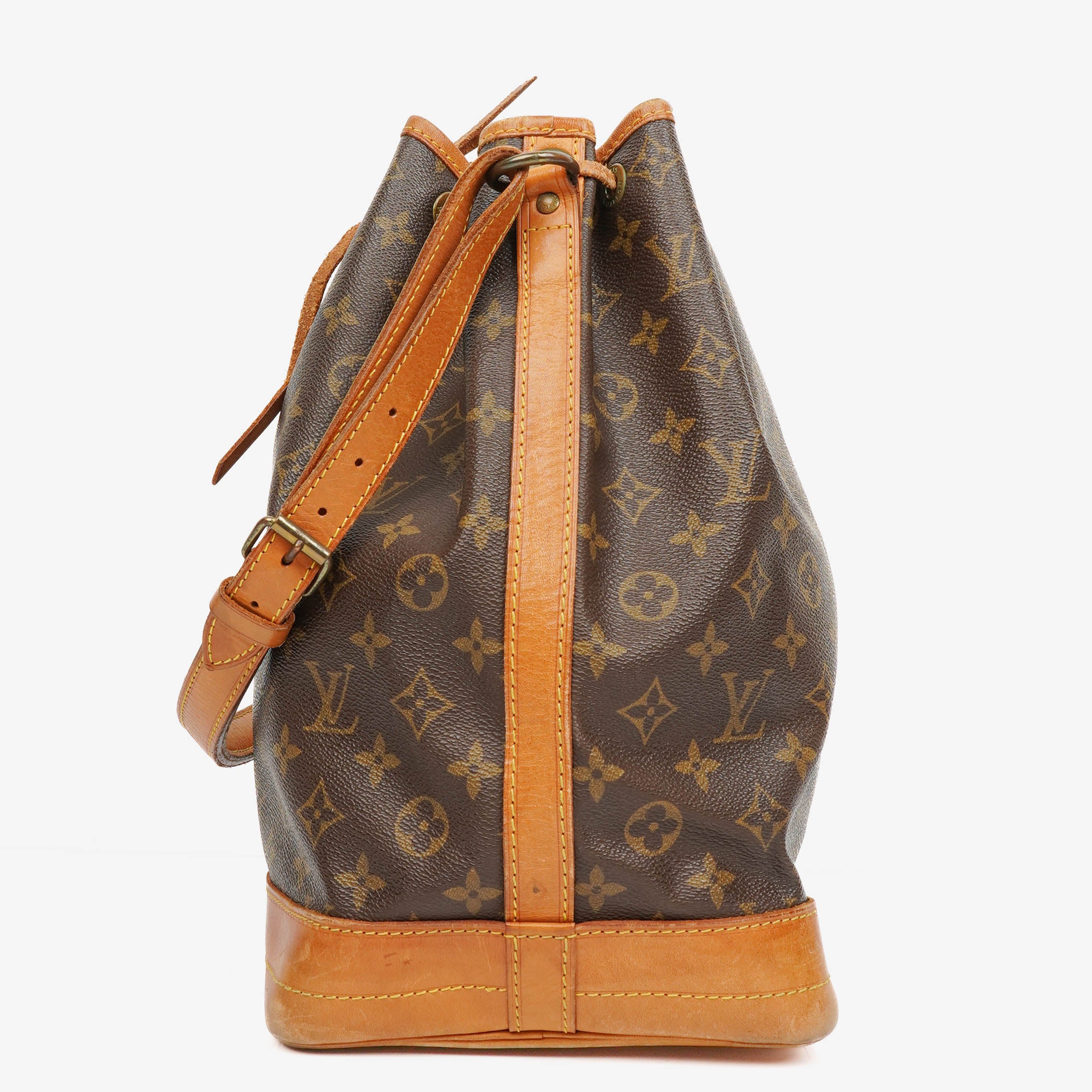
Vachetta leather - the untreated, undyed cowhide trim used on Louis Vuitton's monogram and Damier Azur pieces - starts life as a pale cream. Over years of use, exposure to light, skin oils, and air, it darkens into a rich honey or caramel tone. That darkening is called patina, and on a vintage piece, it's not a flaw - it's the point. A deep, even patina on a 30-year-old Speedy tells you the bag was loved and used, and collectors actively seek it out.
The problem is that new owners sometimes want to "clean up" the leather and take it back to its original pale state. This cannot be done safely. Aggressive cleaning products strip the surface, leaving the leather dry, uneven, and prone to cracking. Bleaching attempts damage the fibers at a structural level. And even well-intentioned over-cleaning with the wrong wipe - anything containing oil, alcohol, or fragrance - can cause irreversible spotting or color inconsistency.
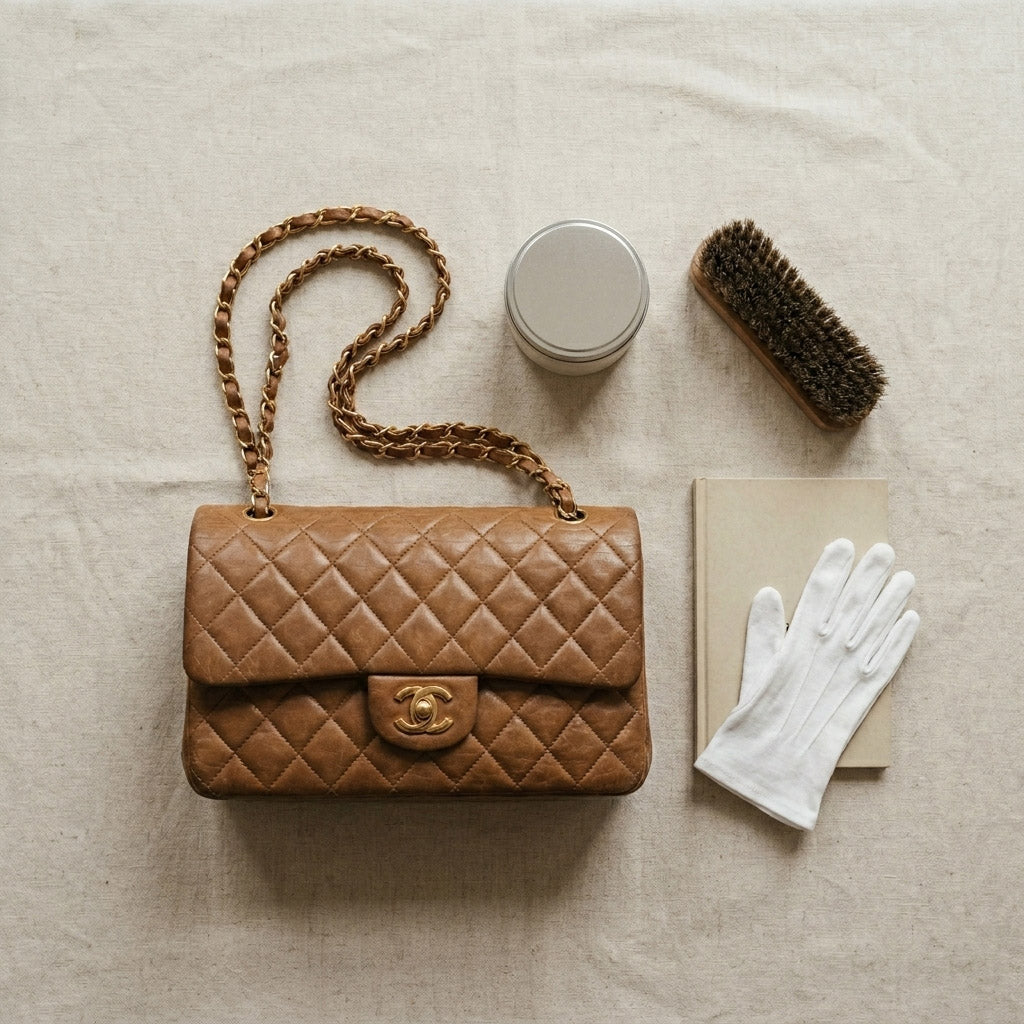
The right approach to vachetta is almost always to leave it alone. If there are light surface marks, a barely damp cloth dabbed gently is the maximum intervention most pieces need. For anything more serious, a professional conservator is the answer - not a cleaning product.
A bag that arrives with beautiful, even honey patina and leaves with pale, splotchy, dried-out leather has lost both its character and a significant portion of its market value.
3. Keeping Hardware Wrapped for Years
Most vintage bags come with their original dust bags, and careful owners often go further - wrapping the hardware in tissue paper or even plastic to protect it during storage. The intention is right. The execution can backfire.
Hardware on luxury bags - brass feet, turn-lock closures, chain straps, zipper pulls needs to breathe. When metal is sealed against adhesive tape or low-quality tissue for extended periods, two things can go wrong. First, trapped moisture has nowhere to escape, and humidity accelerates oxidation and tarnish in ways that open-air storage wouldn't. Second, some adhesives or acidic papers leave chemical marks on plated hardware that are difficult or impossible to buff out without damaging the plating underneath.
Plastic wrapping is particularly problematic with exotic leathers and delicate lambskin - it can leave pressure marks or even transfer a texture onto the surface over time.
The better approach: store hardware loosely wrapped in soft, acid-free tissue or a clean cotton cloth. Let the dust bag do the work it was designed to do.
4. Not Checking for Mold or Odors Before Storing With Other Bags
This one doesn't get talked about enough, and it can turn a single problem into a collection-wide disaster.
Vintage bags, especially those that spent time in storage before you acquired them can carry mold spores that aren't immediately visible. The bag might smell slightly musty, or it might smell completely fine until it's been sealed in a cabinet for a few weeks and the spores have had a chance to develop in the dark and damp. By the time you open the door and smell something wrong, there's a good chance neighboring bags have been affected too.
Mold on leather is serious. Surface mold can sometimes be addressed by a professional, but mold that has penetrated the leather fibers or lining is often permanent. It weakens the structure, leaves staining, and creates an odor that is extraordinarily difficult to fully remove - making the bag nearly impossible to resell at any meaningful value. If there's any odor that concerns you, have it professionally assessed before it becomes your whole collection's problem.
5. Hanging Bags by Their Handles
It looks elegant - a row of beautiful bags hanging from hooks on the back of a wardrobe door or a dedicated bag hanger. But for most luxury bags, hanging by the handles is one of the slower, more invisible ways to cause lasting structural damage.
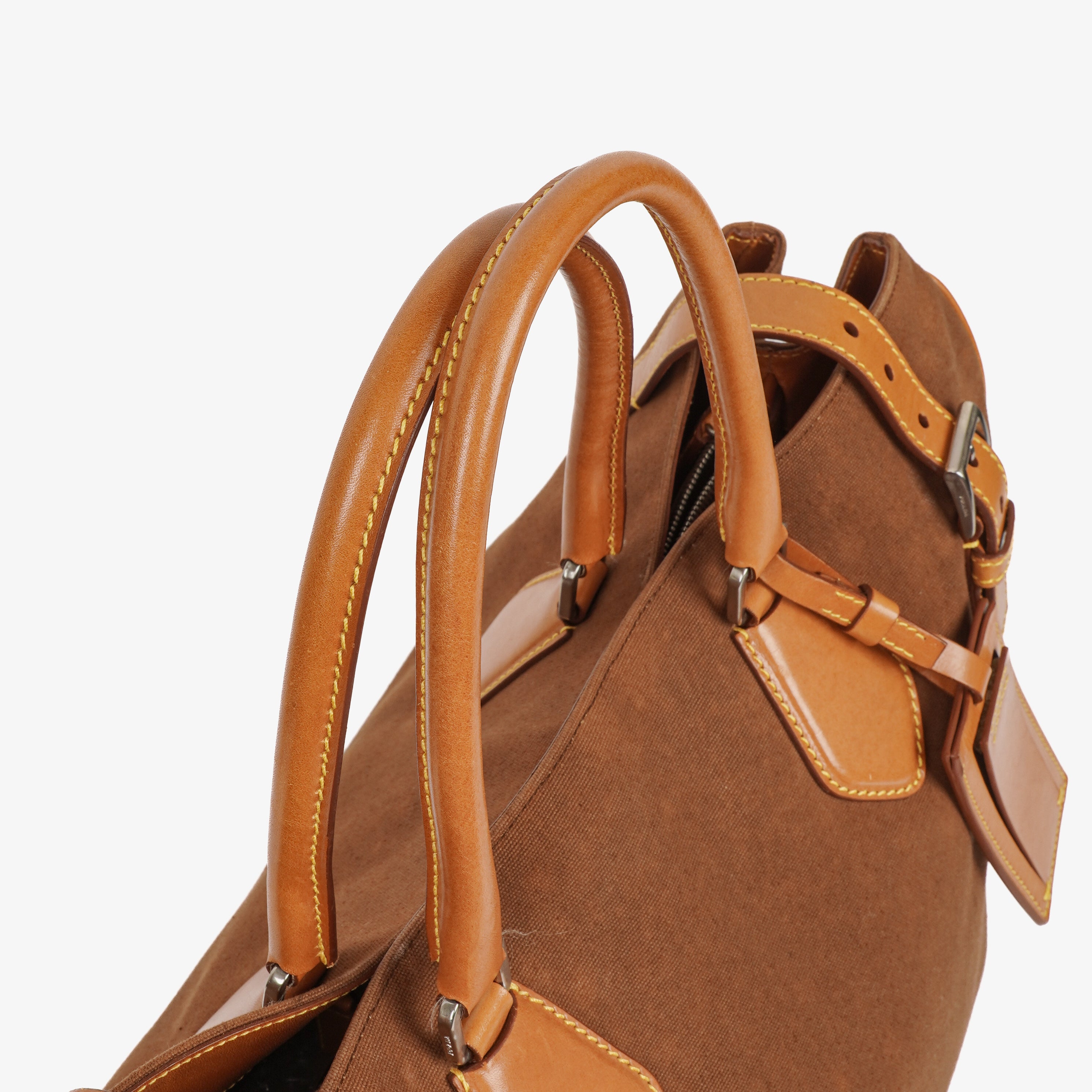
Handles - whether leather, chain, or a combination were designed to bear weight in motion, not to support the full load of a bag continuously over months or years. When a bag hangs in place, that constant static tension gradually stretches the handles out of shape, weakens the stitching at the attachment points (one of the most expensive areas to have repaired professionally), and on bags with leather-wrapped chains, can cause the leather to crack along the stress line.
Structured bags are particularly vulnerable: the weight pulling downward over time can distort the base and alter the silhouette permanently, especially in warmer or more humid environments where leather is softer and more flexible.
The better storage position for almost every bag is upright, on a shelf, properly stuffed to hold its shape — not hanging. If display storage is important to you, clear acrylic shelf risers or purpose-built bag stands keep bags visible without putting any strain on the handles. Save the hooks for dust bags, scarves, or anything that won't be damaged by sustained tension.
6. Overstuffing or Understuffing During Storage
Leather has memory. A bag that sits collapsed, folded, or twisted in storage long enough will eventually hold that shape. Handles can develop creases that won't relax. Structured bags lose their silhouette. Soft bags develop permanent fold marks that look like wear even when the leather itself is in excellent condition.
On the flip side, overstuffing a bag to maintain its shape with rolled-up jeans, balled-up plastic bags, or random objects creates pressure points that stretch the leather unevenly, distort the base, and can stress seams and stitching from the inside.
The correct approach is to stuff bags with shaped inserts or purpose-made bag shapers that support the natural silhouette without pushing it beyond its intended dimensions. Store bags upright when possible, never stacked under other bags, and never resting directly on hardware that can imprint the leather.
The bags that survive decades in great condition almost never got there by accident. They were owned by people who knew what not to do as much as what to do. That knowledge and a little restraint is what separates a bag that ages beautifully from one that just gets old.
At Plamexs, every bag goes through the same inspection - no exceptions. We check the vachetta patina, the condition of the handles and stitching, the hardware for oxidation, and every sign of moisture or mold, before a piece even reaches authentication. So when you buy a vintage piece from us, you know exactly what you're getting. No surprises. No hidden damage. Just the bag and the story behind it.




















6 Vintage Luxury Bag Care Mistakes That Damage Your Bags
From DIY repairs to wrong storage - these 6 common mistakes quietly destroy vintage Chanel, Louis Vuitton, and Hermès bags. Here's what to avoid.
Vintage luxury bags are not just accessories - they're pieces of fashion history. A 1990s Chanel Classic Flap, a honey-patinated Louis Vuitton Speedy, a well-worn Hermès Kelly that's been around the world twice - these bags carry stories, and that's exactly what makes them valuable. But they're also fragile in ways that new bags aren't, and the mistakes that damage them most are almost always made with good intentions.
Here are the six most common ones.
1. Trying DIY Repairs - Glue, Shoe Polish, or Random Dyes
It starts innocently enough. A loose seam, a scuff on the corner, a handle that's lost some color. You find a YouTube tutorial, order a leather repair kit, and figure: how bad could it go?
Pretty bad, as it turns out.
Super glue hardens and becomes brittle on leather - it doesn't flex with the material, so it cracks, and now you have the original damage plus a white, flaky residue that's nearly impossible to remove cleanly.
Shoe polish seems like a logical color fix, but it's formulated for shoe leather, not the delicate hides used in luxury bags. It often applies unevenly, leaves a sticky film, and can permanently alter the leather's tone in patches you can't reverse.
Random dyes are arguably the most dangerous: a dye that isn't matched precisely to the bag's original formula will look off under different lighting, bleed into lining or stitching, or create a layered effect that screams amateur repair to any reseller or authenticator.
When a vintage bag needs repair, the only move is to find a specialist who works specifically with luxury leather. The cost is almost always worth it. The DIY gamble rarely is.
2. Removing the Original Patina - Especially on Vintage Louis Vuitton Vachetta
This is the mistake that breaks the hearts of resellers and collectors alike.
Vachetta leather - the untreated, undyed cowhide trim used on Louis Vuitton's monogram and Damier Azur pieces - starts life as a pale cream. Over years of use, exposure to light, skin oils, and air, it darkens into a rich honey or caramel tone. That darkening is called patina, and on a vintage piece, it's not a flaw - it's the point. A deep, even patina on a 30-year-old Speedy tells you the bag was loved and used, and collectors actively seek it out.
The problem is that new owners sometimes want to "clean up" the leather and take it back to its original pale state. This cannot be done safely. Aggressive cleaning products strip the surface, leaving the leather dry, uneven, and prone to cracking. Bleaching attempts damage the fibers at a structural level. And even well-intentioned over-cleaning with the wrong wipe - anything containing oil, alcohol, or fragrance - can cause irreversible spotting or color inconsistency.
The right approach to vachetta is almost always to leave it alone. If there are light surface marks, a barely damp cloth dabbed gently is the maximum intervention most pieces need. For anything more serious, a professional conservator is the answer - not a cleaning product.
A bag that arrives with beautiful, even honey patina and leaves with pale, splotchy, dried-out leather has lost both its character and a significant portion of its market value.
3. Keeping Hardware Wrapped for Years
Most vintage bags come with their original dust bags, and careful owners often go further - wrapping the hardware in tissue paper or even plastic to protect it during storage. The intention is right. The execution can backfire.
Hardware on luxury bags - brass feet, turn-lock closures, chain straps, zipper pulls needs to breathe. When metal is sealed against adhesive tape or low-quality tissue for extended periods, two things can go wrong. First, trapped moisture has nowhere to escape, and humidity accelerates oxidation and tarnish in ways that open-air storage wouldn't. Second, some adhesives or acidic papers leave chemical marks on plated hardware that are difficult or impossible to buff out without damaging the plating underneath.
Plastic wrapping is particularly problematic with exotic leathers and delicate lambskin - it can leave pressure marks or even transfer a texture onto the surface over time.
The better approach: store hardware loosely wrapped in soft, acid-free tissue or a clean cotton cloth. Let the dust bag do the work it was designed to do.
4. Not Checking for Mold or Odors Before Storing With Other Bags
This one doesn't get talked about enough, and it can turn a single problem into a collection-wide disaster.
Vintage bags, especially those that spent time in storage before you acquired them can carry mold spores that aren't immediately visible. The bag might smell slightly musty, or it might smell completely fine until it's been sealed in a cabinet for a few weeks and the spores have had a chance to develop in the dark and damp. By the time you open the door and smell something wrong, there's a good chance neighboring bags have been affected too.
Mold on leather is serious. Surface mold can sometimes be addressed by a professional, but mold that has penetrated the leather fibers or lining is often permanent. It weakens the structure, leaves staining, and creates an odor that is extraordinarily difficult to fully remove - making the bag nearly impossible to resell at any meaningful value. If there's any odor that concerns you, have it professionally assessed before it becomes your whole collection's problem.
5. Hanging Bags by Their Handles
It looks elegant - a row of beautiful bags hanging from hooks on the back of a wardrobe door or a dedicated bag hanger. But for most luxury bags, hanging by the handles is one of the slower, more invisible ways to cause lasting structural damage.
Handles - whether leather, chain, or a combination were designed to bear weight in motion, not to support the full load of a bag continuously over months or years. When a bag hangs in place, that constant static tension gradually stretches the handles out of shape, weakens the stitching at the attachment points (one of the most expensive areas to have repaired professionally), and on bags with leather-wrapped chains, can cause the leather to crack along the stress line.
Structured bags are particularly vulnerable: the weight pulling downward over time can distort the base and alter the silhouette permanently, especially in warmer or more humid environments where leather is softer and more flexible.
The better storage position for almost every bag is upright, on a shelf, properly stuffed to hold its shape — not hanging. If display storage is important to you, clear acrylic shelf risers or purpose-built bag stands keep bags visible without putting any strain on the handles. Save the hooks for dust bags, scarves, or anything that won't be damaged by sustained tension.
6. Overstuffing or Understuffing During Storage
Leather has memory. A bag that sits collapsed, folded, or twisted in storage long enough will eventually hold that shape. Handles can develop creases that won't relax. Structured bags lose their silhouette. Soft bags develop permanent fold marks that look like wear even when the leather itself is in excellent condition.
On the flip side, overstuffing a bag to maintain its shape with rolled-up jeans, balled-up plastic bags, or random objects creates pressure points that stretch the leather unevenly, distort the base, and can stress seams and stitching from the inside.
The correct approach is to stuff bags with shaped inserts or purpose-made bag shapers that support the natural silhouette without pushing it beyond its intended dimensions. Store bags upright when possible, never stacked under other bags, and never resting directly on hardware that can imprint the leather.
The bags that survive decades in great condition almost never got there by accident. They were owned by people who knew what not to do as much as what to do. That knowledge and a little restraint is what separates a bag that ages beautifully from one that just gets old.
At Plamexs, every bag goes through the same inspection - no exceptions. We check the vachetta patina, the condition of the handles and stitching, the hardware for oxidation, and every sign of moisture or mold, before a piece even reaches authentication. So when you buy a vintage piece from us, you know exactly what you're getting. No surprises. No hidden damage. Just the bag and the story behind it.